“Best Job in the World”
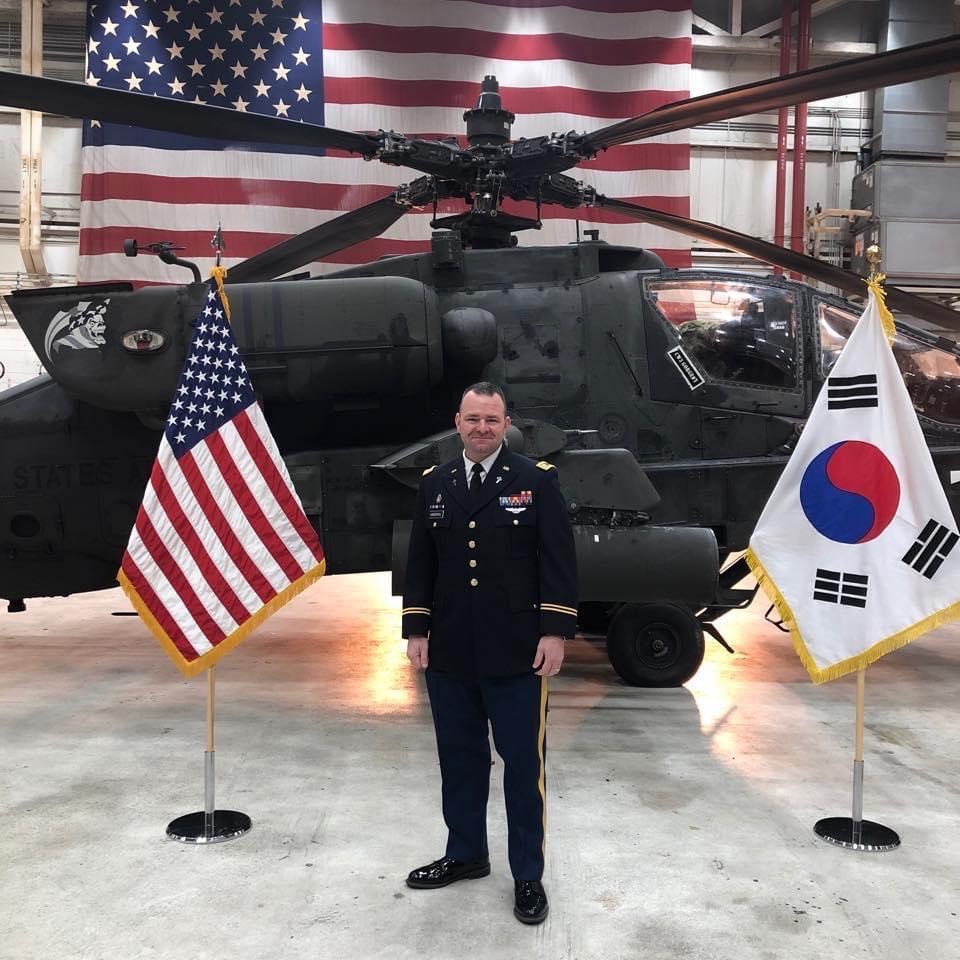
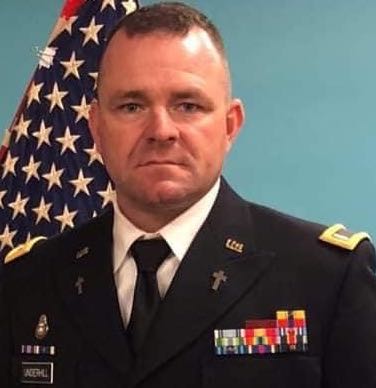
I have been an Army chaplain for four years. I have had two duty stations in those four years as a chaplain. I am often asked what is it like to be a chaplain. I am asked this question by a variety of people, including the soldiers to whom I minister. The first step in becoming a chaplain is to graduate from the Chaplain Basic Officer Leadership Course (CHBOLC). CHBOLC consists of 64 training days, excluding weekends and federal holidays. The course teaches you the basics of how to be a soldier and how to be a chaplain. Soldiering skills include, but are not limited to, how to march, how to do formations, proper courtesies to superiors, and proper wear of uniforms. Concerning chaplaincy, the course teaches you how to write reports, how to help soldiers in a religiously diverse Army, and the chaplain’s role in staff meetings, advising commanders, and conducting military funerals and memorials. The course builds a foundation for new chaplains to stand on once they graduate and are placed with their new unit after graduation. However, like any foundation, a building must also be constructed on it. Chaplains will continue to build on the foundation at each duty station to which they are assigned. And each duty station will mold the chaplains in very different ways.
Chaplains are like snowflakes. No two chaplains are alike. Every chaplain has their own way of ministering to their units. This is because God has made every person different. Additionally, his or her situations and leaders at each duty station develop each chaplain differently. As for me, I have an additional layer, which makes me unique. I am a mustang officer. A mustang officer is an officer who was previously enlisted. Typically, mustang officers have about four to six years, one tour, of enlisted experience. In my case, God allowed me to have a little over eighteen years of enlisted experience prior to becoming a chaplain.
As stated earlier, my experience as a chaplain began with attending CHBOLC, which was a challenging experience for me. The experience was not hard physically or mentally. Because of my prior enlisted experience, I knew a lot of what was taught before taking the course. CHBOLC was hard for me because I had to work with people I didn’t understand. Additionally, I had to work with people who completely frustrated me personally. For the first time in my career, I had to work with people who saw the world completely differently than me. For the record, I still struggle with this difference of worldviews.
After CHBOLC, I was stationed at Fort Benning and assigned to the 2-15 Calvary Scouts unit (2-15 CAV). The 2-15 CAV is a Basic Training unit that trains new recruits for the Army and the Cavalry. Like you see in movies when someone first joins the military, I worked within an environment of scared young people with newly shaved heads and drill sergeants yelling at them. Therefore, my experience as a chaplain at Fort Benning was mainly shaped by my interactions with Basic Trainees. The biggest challenge I faced with 2-15 CAV was sympathy fatigue. Sympathy fatigue is a lack of sympathy for suffering due to continuous exposure to those in need.
At Basic Training, chaplains deal with two significant issues. First, chaplains are asked how the “real” Army is and what advice we have for when the trainees reach their duty station. This is a valid concern considering the trainees just left everything they know behind and are now going through one of the most challenging times of their lives. They want to know whether the experience is worth it and how to succeed where they are going. I loved answering these questions. Who wouldn’t love teaching others from their own successes and failures? I passed on everything I could to these trainees.
The second issue chaplains face are trainees who, as the Army says, “fail to adapt.” These trainees have never been taught how to cope with stress. It is essential to clarify how I am using the word stress. Stress in this sense is anything that challenged them, and I mean anything. These trainees had it made at home and failed to realize it until they reached Basic Training. After eighteen years of military service and several deployments under my belt, I found it extremely difficult to minister to these trainees, especially after dealing with them a year and a half in the unit. One concern with these trainees that really bugged me was when I would get an “emergency” call from a Drill Sergeant saying a trainee stated they needed to see me immediately. I would rush to see the trainee. When I got there and began talking to the trainee, I would discover that he was distraught because his girlfriend had broken up with him in a letter. The first time I heard this, I was very compassionate and understanding. However, over time, I would discover, for example, that the trainee had been dating the woman for only one, two, or maybe three months. After three months of dating, this trainee’s life was now completely over? After a while, I began to tell my trainees this, “Hey man, look. This is a good thing. If she can’t stay with you through Basic Training, she was never going to stay with you through your deployments and many other pieces of training. I suggest the next time you get a chance to go to the store, buy a thank you card, put forty bucks in it, and write, ‘Thank you for breaking up with me. Here is forty bucks for your next date. Hope it goes well.’ Send it to her and move on with your life. Trust me man, you have a lot more stuff to do and a whole life to live. You will find someone who loves you and will stick with you through all the hard times.” Believe it or not, it worked very well. (Perhaps, however, we could have been a bit more sensitive to the young lady on the receiving end. Sympathy fatigue was a major battle for me at Fort Benning.)
After Fort Benning, the Army stationed me at Camp Humphreys, South Korea, with the 4-2 Attack Battalion (4-2AB). I am currently still in this unit. The 4-2AB is an Apache Attack helicopter unit. The soldiers here have graduated from Basic Training and are no longer trainees. Their experience ranges from this being their first duty station to having over twenty tears of military experience. At this point, I now have more than twenty-two years of military experience. I have one constant issue here with the soldiers at 4-2AB; people miss their families. It does not matter if this is their first duty station or their tenth; being thousands of miles away and not being able to talk with loved ones when they want takes a toll on them. Add the isolation of COVID, and people begin to get incredibly lonely. The loneliness leads people to make poor decisions like engaging in excessive drinking and exercising poor money management. These actions incur severe consequences.
So, what does a typical day look like as a chaplain in the Army? I have no idea. There is not a “typical” day as a chaplain. I can plan as much as possible, but plans rarely pan out. I get counseling calls at all hours of the night and day. Some days I will get no counseling requests, and some days I will have ten counseling sessions. On other days, I will be supporting a unit with a suicide or planning a memorial for a fallen soldier in my unit. If I am lucky, I will get one thing I planned completed. This is true no matter where I am stationed. All chaplains know that the only thing certain is uncertainty. Do you remember me saying that I like a challenge? Do you think I enjoy the constant change and uncertainty? YOU BET I DO! Add that I get to minister to some of the best people in the world. I would not change anything. I thank God for every day He allows me to be an Army Chaplain.
 Fire Teams Men's Ministry
I believe having an officer with prior enlisted experience makes for a more personable, level headed leader in the sense that they would have first hand knowledge of the struggles and qualms of enlisted soldiers. Having a chaplain who has served 18 years previously just further increases that relationship between the enlisted personnel. The prior experiences and hardships you’ve likely endured show the enlisted and that you’ve been there and can bond through that, overcoming hardships.
LikeLike